The Rise of Environmentally Friendly Food Packaging: Natureplus Products
The emphasis on environmental sustainability has increased globally in recent years, which has resulted in notable developments across some industries, including food packaging. The conventional dependence on non-biodegradable materials such as plastic has led to the creation and acceptance of eco-friendly substitutes. This change is necessary not only to lessen the impact on the environment but also to satisfy consumer demand for sustainable goods. This article examines the significance, advancements, and difficulties related to eco-friendly food packaging.
The Environmental Impact of Traditional Food Packaging
Traditional food packaging has long been a major source of pollution in the environment because it is mostly made of plastic. Plastic packaging is well known for being long-lasting and resistant to deterioration, even though it is frequently made from fossil fuels. Although these qualities are advantageous for food preservation, they present serious environmental problems. Because plastics can take hundreds of years to break down, garbage can build up in landfills and the ocean. As a result of plastic degradation, microplastics have gotten into ecosystems and are a threat to human health as well as marine life.
Furthermore, the energy-intensive process of producing plastic packaging adds to greenhouse gas emissions and climate change. Growing public knowledge of these environmental effects is putting more pressure on the food industry to use sustainable packaging.
The Rise of Environmentally Friendly Food Packaging
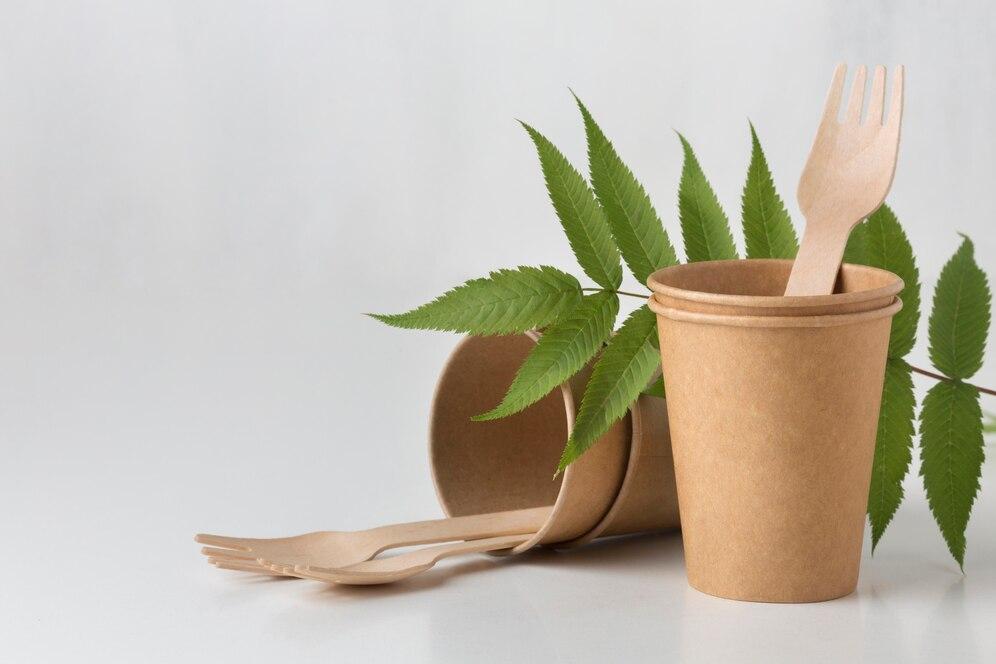
Sustainable or eco-friendly food packaging, also called environmentally friendly food packaging, seeks to reduce its negative effects on the environment by using recyclable, biodegradable, or renewable resource-based materials. Government restrictions, business social responsibility, and customer preferences for eco-conscious products are some of the causes driving this movement.
1. Compostable and Biodegradable Packaging:
Packaging materials that decompose naturally in the environment, such paper, cardboard, and some bioplastics, lessen the load on landfills. Compostable packaging goes one step beyond by breaking down under certain circumstances into natural, non-toxic components that improve soil health. Biodegradable food packaging is using more and more materials including bagasse, a byproduct of sugarcane, and polylactic acid (PLA), which is generated from corn starch.
2. Recyclable Packaging:
By processing and reusing recyclable materials like glass, aluminum, and some plastics to make new goods, the demand for virgin resources is decreased. For example, aluminum beverage cans are a preferred option since they are infinitely recyclable. However, consumer involvement in recycling initiatives and the availability of recycling infrastructure are prerequisites for the success of recyclable packaging.
3. Plant-Based and Renewable Packaging:
Plants and other renewable resources are the source of renewable packaging materials, which lessen reliance on fossil fuels. Hemp, bamboo, and palm leaf packaging are a few examples. These materials have the added benefit of being biodegradable or compostable in addition to being sustainable. Seaweed and mycelium derived from mushrooms are two examples of plant-based packaging that is becoming more and more popular as creative and environmentally responsible substitutes for plastic.
Innovations in Environmentally Friendly Food Packaging
The need for eco friendly food packaging has sparked innovation in the materials and technology used in food packaging. Among the noteworthy developments are:
1. Edible Packaging:
Edible packaging is a novel idea in which food is intended to be consumed together with the package. E-wrap, which is made from rice, potato starch, or seaweed, completely reduces waste. For single-use items like condiment packets or snack wrappers, this idea is especially intriguing.
2. Smart Packaging:
Using technology to improve the functionality of packaging, such as prolonging shelf life or giving real-time freshness information, is known as smart packaging. Although not intrinsically eco-friendly, intelligent packaging has the potential to mitigate food waste, a noteworthy environmental concern. Sensors that identify spoiling or packaging that modifies color to convey the freshness of its contents are examples of innovations in this field.
3. Biodegradable Films and Coatings:
Biodegradable films created from substances like chitosan (derived from crustacean shells) or cellulose are gradually replacing traditional plastic films used in food packaging. These films are more ecologically friendly and provide comparable protection. Furthermore, paper and cardboard treated with biodegradable coatings can tolerate moisture without losing their compostability.
Challenges in Implementing Sustainable Packaging
Despite the benefits, the transition to environmentally friendly food packaging is not without challenges. Key issues include:
1. Cost:
Producing sustainable packaging materials is typically more costly than producing standard plastics. Usually, this expense is transferred to customers, which may prevent widespread adoption, particularly in economies where prices are crucial.
2. Performance and Durability:
Although many environmentally friendly materials provide food with sufficient protection, they might not have the same barrier qualities and durability as traditional plastics. It is essential to make sure that sustainable packaging satisfies the same requirements for food safety and preservation.
3. Infrastructure for Recycling and Waste Management:
The availability of recycling facilities and customer participation determine how successful recyclable packaging is. It is possible for recyclable goods to wind up in landfills in areas with poor infrastructure. Comparably, not all waste management systems have the conditions necessary for biodegradable packaging to decompose.
4. Education and Awareness of customers:
For sustainable packaging to be successful, customers need to know how to dispose of it correctly. The advantages of eco-friendly food packaging can be undermined by false beliefs about what can and cannot be recycled or composted, which can contaminate recycling processes or result in inappropriate disposal.
The Future of Environmentally Friendly Food Packaging
Technological innovations, novel materials, and ecological practices will shape food packaging in the future. Research and development expenditures for novel packaging solutions will rise in tandem with the growing demand for eco-friendly options. Businesses who put sustainability first when choosing their packaging will probably have an advantage over competitors because consumers are becoming more picky about companies that share their environmental beliefs.
Furthermore, the use of sustainable packaging will be fueled by laws and programs designed to lessen plastic waste and advance circular economies. Companies are being pushed to reconsider their packaging tactics, for instance, by the European Union's prohibition on single-use plastics and the expanding trend of extended producer responsibility (EPR) schemes.
Conclusion:
In conclusion, eco-friendly food packaging is an essential development for the food business, not merely a fad. Although there are still issues, new developments in sustainable materials and technology provide encouraging answers. Businesses can satisfy environmentally concerned customers and promote a healthier planet by using eco-friendly food packaging. Although there is still work to be done in the area of sustainable food packaging, a more sustainable future is conceivable with sustained innovation and teamwork. There are lots of manufacturers who make environmentally friendly food packaging boxes, like if you are looking for Eco Friendly Food Delivery Packaging Boxes in India? Contact Natureplus we offer the best solutions to preserve the freshness of your food.


Comments
Post a Comment